Acrylic Labels vs. Other Materials: Which One Suits Your Application Best?
When it comes to labeling, choosing the right material is just as important as the message itself. Labels serve not only to inform but also to elevate brand image, ensure durability, and match their environment. Among the many available materials—acrylic, metal, wood, vinyl, and paper—how does acrylic compare, and when is it the best option?
This guide breaks down the key differences between acrylic and other common label materials so you can make the right choice for your specific application.
🔍 1. Acrylic Labels: Durable and Custom-Friendly
Material Overview:
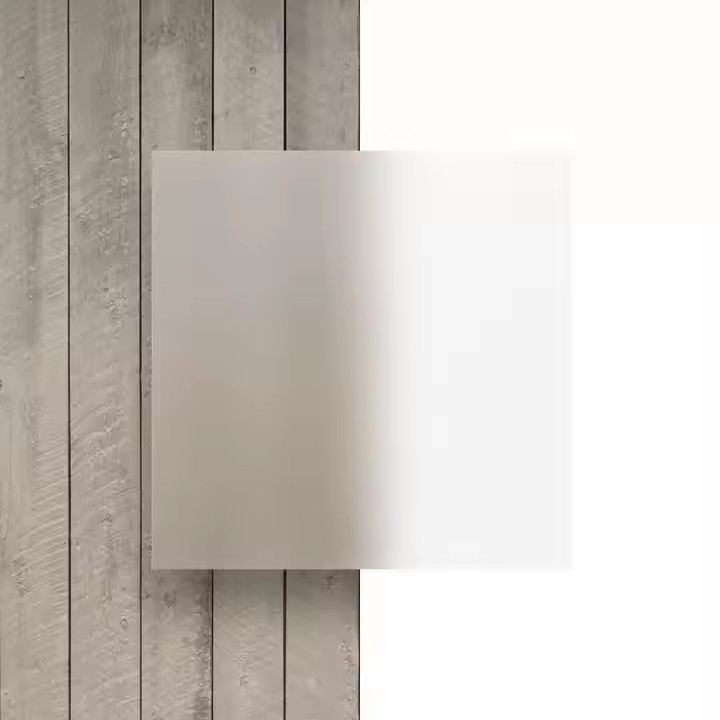
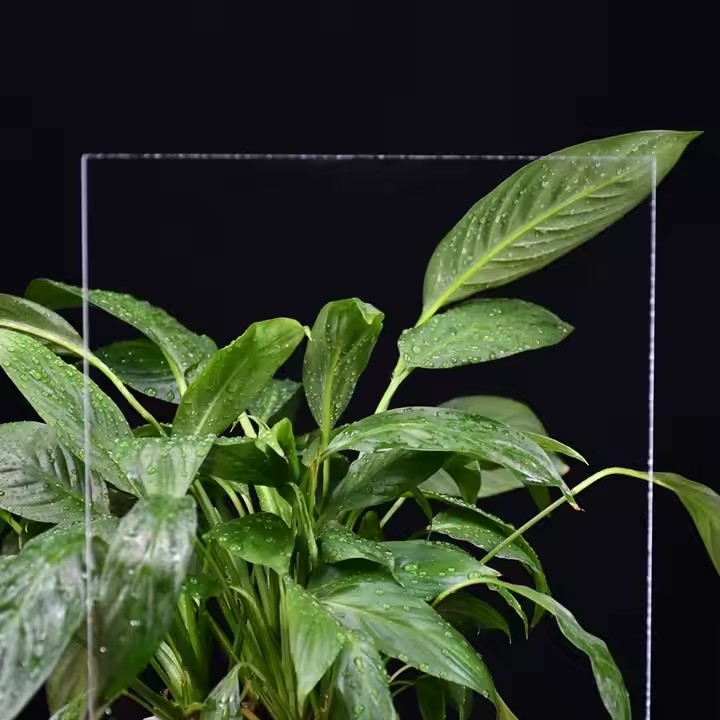
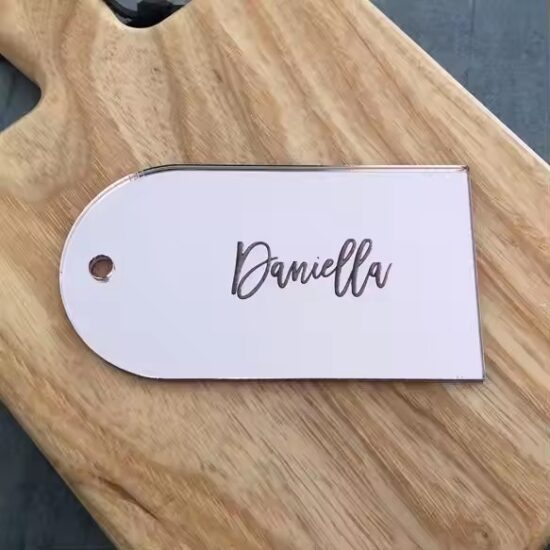
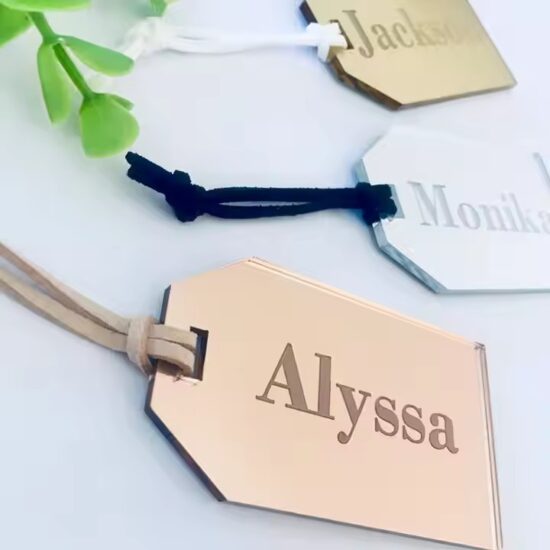
Acrylic (also known as PMMA) is a transparent, rigid thermoplastic that can be cut, printed, or engraved into labels of various shapes and sizes.
Advantages:
-
High durability (resistant to scratches and breakage)
-
Weather and UV resistant (suitable for outdoor use)
-
Clean, modern appearance
-
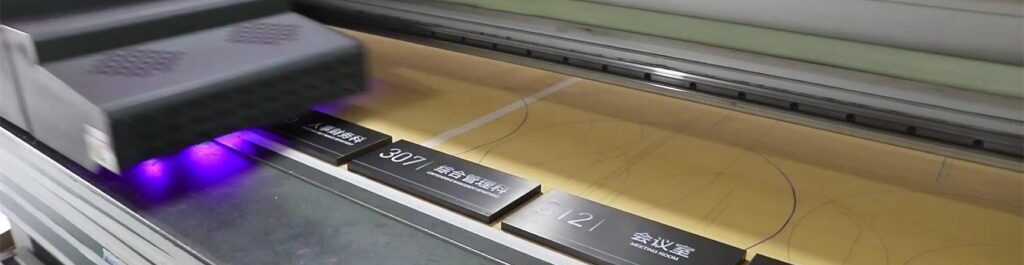
Compatible with laser engraving, UV printing, and vinyl application
-
Wide range of customization (shapes, thickness, colors)
Limitations:
-
Slightly more expensive than paper or vinyl
-
May crack under extreme impact (though still stronger than glass)
Best For:
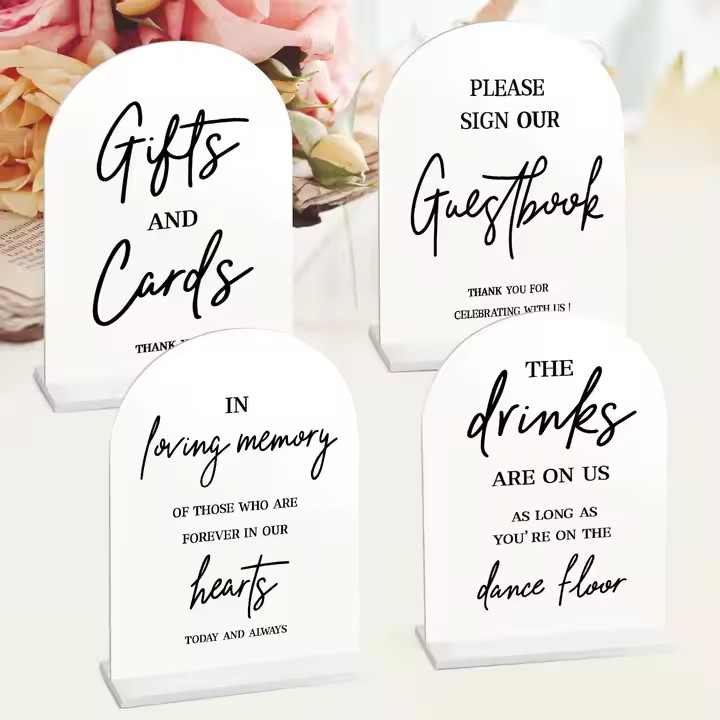
Office signage, industrial labeling, product displays, retail tags, high-end branding, outdoor signs
🧲 2. Metal Labels: Strong and Industrial
Material Overview:
Usually made from aluminum, stainless steel, or brass, metal labels are favored for industrial and permanent use.
Advantages:
-
Extremely durable and long-lasting
-
Heat, water, and chemical resistant
-
Professional, high-end aesthetic
-
Ideal for asset tags and safety labels
Limitations:
-
Higher cost
-
Heavier and harder to install
-
Limited design flexibility (especially for colorful logos)
Best For:
Machine labeling, asset tracking, outdoor industrial environments, equipment nameplates
🌿 3. Wood Labels: Rustic and Eco-Friendly
Material Overview:
Wood labels are laser-cut or engraved from materials like bamboo, pine, or birch.
Advantages:
-
Unique natural aesthetic
-
Sustainable and biodegradable
-
Great for artisanal or eco-conscious brands
Limitations:
-
Limited durability (especially outdoors)
-
Vulnerable to moisture and pests
-
Not suitable for fine printing or detailed logos
Best For:
Boutique packaging, gift tags, artisanal branding, indoor decorative signs
🧻 4. Paper Labels: Affordable and Temporary
Material Overview:
Paper labels are printed on adhesive-backed paper and are widely used for short-term or mass-labeling needs.
Advantages:
-
Extremely cost-effective
-
Easy to print in high volume
-
Lightweight and adhesive-backed
-
Recyclable (in most cases)
Limitations:
-
Not water- or scratch-resistant
-
Very short lifespan
-
Not suitable for premium or outdoor applications
Best For:
Product packaging, barcodes, temporary event labels, internal use
🧷 5. Vinyl Labels: Flexible and Waterproof
Material Overview:
Vinyl is a flexible plastic film that can be printed and cut into decals or labels.
Advantages:
-
Waterproof and UV resistant
-
Adhesive-backed for easy application
-
Flexible on curved surfaces
-
Vibrant color printing
Limitations:
-
May fade or peel over time
-
Less rigid than acrylic or metal
-
Limited lifespan in harsh environments
Best For:
Car decals, outdoor stickers, product packaging, curved surfaces
✅ Comparison Table
| Material | Durability | Appearance | Cost | Printability | Best Use Case |
|---|---|---|---|---|---|
| Acrylic | ★★★★☆ | Sleek/Modern | Medium | Excellent | Signage, branding, displays |
| Metal | ★★★★★ | Industrial | High | Limited | Machinery, asset labeling |
| Wood | ★★☆☆☆ | Rustic | Medium | Moderate | Gift tags, crafts, décor |
| Paper | ★☆☆☆☆ | Basic | Low | Excellent | Temporary/internal labels |
| Vinyl | ★★★☆☆ | Colorful | Medium | Excellent | Stickers, curved applications |
🎯 Final Thoughts: Which Material Is Right for You?
If you need a balance of durability, customization, and aesthetics, acrylic is one of the best materials available for both personal and professional label applications. While other materials offer unique benefits, acrylic provides a sleek, long-lasting, and modern alternative that works well in nearly every environment—from offices to factories to retail stores.
Still not sure? Start by considering where your labels will be used (indoor/outdoor), how long they need to last, and how important appearance is to your brand.