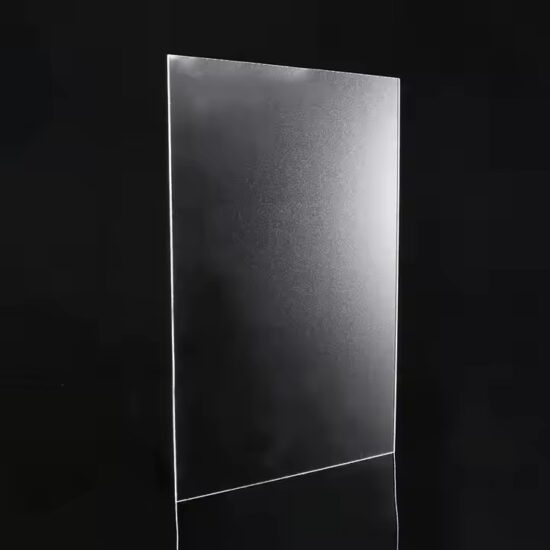
How Frosted Acrylic Is Made: The Manufacturing Process Explained
Frosted acrylic is widely used in signage, décor, lighting, and architectural applications thanks to its soft matte finish and light-diffusing properties. But how exactly is this elegant material made? In this article, we’ll walk through the manufacturing process of frosted acrylic, from raw materials to the final sheet.
🔬 Step 1: Acrylic Base Sheet Production
Frosted acrylic begins with the same base material as clear acrylic: PMMA (Polymethyl Methacrylate). The two most common production methods are:
-
Casting: Liquid acrylic monomer is poured between glass sheets and polymerized. This method offers better clarity and thickness control.
-
Extrusion: Acrylic pellets are melted and pushed through rollers. This method is more economical and suitable for standard sheet sizes.
At this stage, the result is a clear, glossy acrylic sheet.
✨ Step 2: Frosting the Surface
The defining characteristic of frosted acrylic is its matte, translucent finish. This is achieved using one of the following surface treatment methods:
1. Mechanical Sandblasting
-
A fine abrasive material (e.g., aluminum oxide) is blasted onto the surface under pressure.
-
This creates a uniform roughness that scatters light and produces the “frosted” appearance.
2. Chemical Etching
-
The acrylic sheet is exposed to special etching chemicals that react with the surface.
-
This results in a soft matte effect that’s more consistent and less likely to scratch than sandblasted surfaces.
3. Textured Rollers (for Extruded Sheets)
-
During extrusion, the sheet passes through rollers that imprint a frosted pattern.
-
Ideal for mass production with consistent surface texture.
🎨 Step 3: Finishing Options
After frosting, the acrylic may go through additional finishing processes depending on the intended application:
-
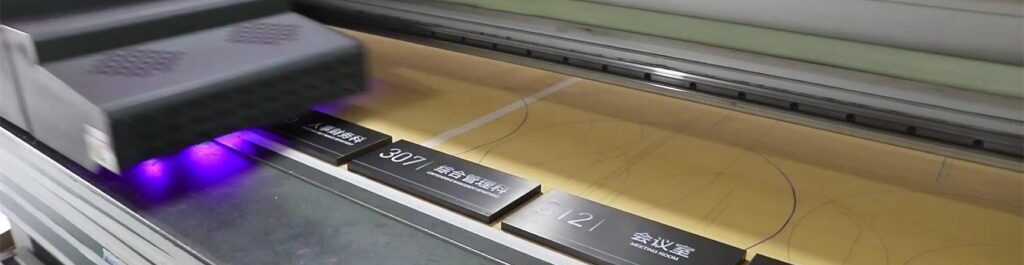
Cutting: CNC cutting or laser cutting to achieve specific shapes or sizes.
-
Edge Polishing: Polishing the edges for clarity and smoothness.
-
Protective Film: A peelable film is applied to prevent scratches during transport or installation.
-
UV Coating (Optional): To improve outdoor weather resistance.
🧪 Quality Control
Each sheet is inspected for:
-
Uniformity of frost texture
-
Correct thickness and flatness
-
Absence of bubbles or surface defects
Only after passing quality control can the sheets be packaged and shipped.
✅ Final Thoughts
Frosted acrylic is a blend of science and surface artistry. Whether produced through sandblasting, chemical treatment, or extrusion texturing, its manufacturing process ensures both beauty and function. It’s this controlled opacity and soft texture that make frosted acrylic the perfect material for privacy panels, signage, and lighting applications.
Looking to incorporate frosted acrylic into your next custom project? Partner with an experienced supplier who understands both the technical and aesthetic requirements of this versatile material.